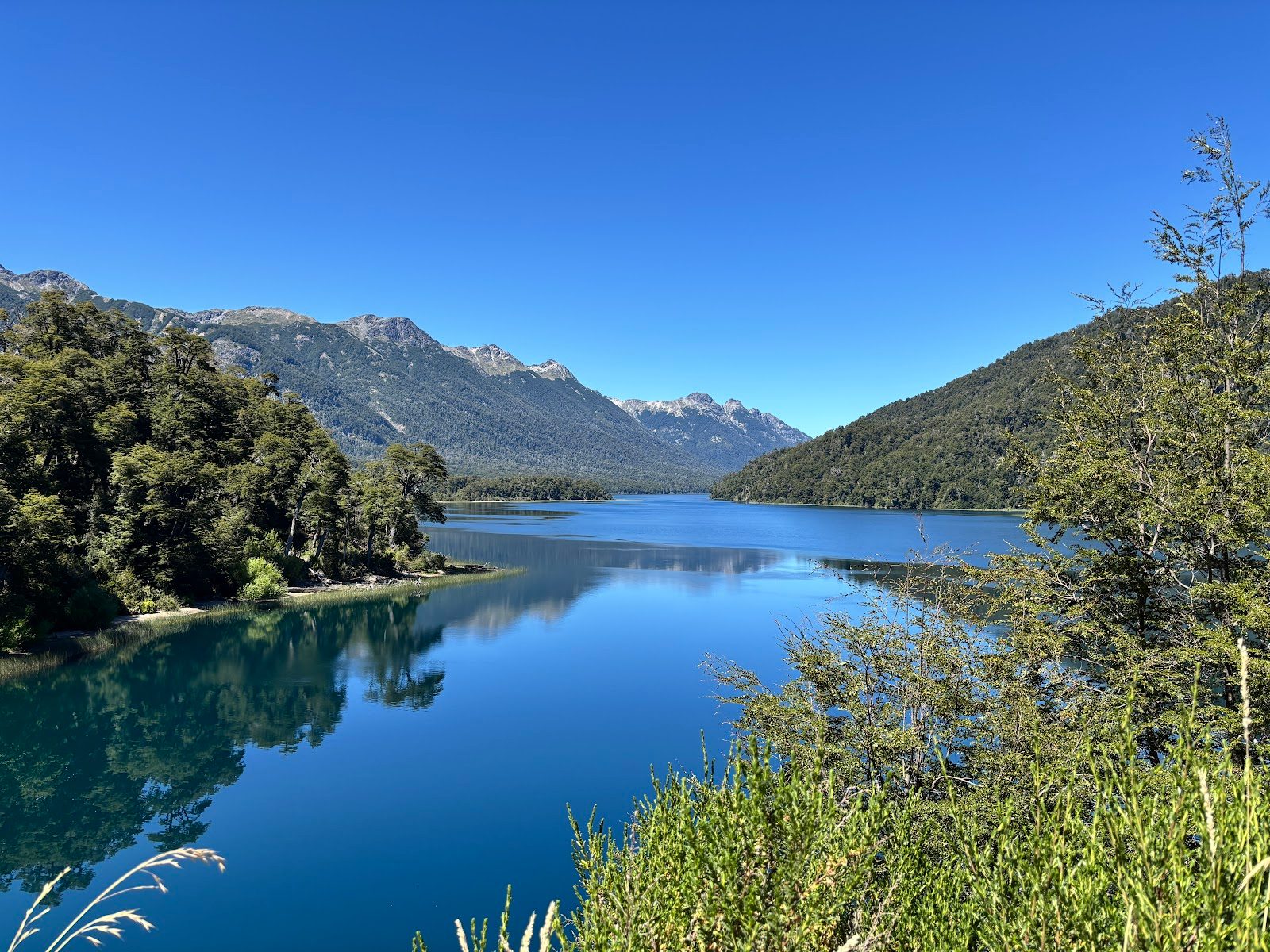
Lago Machónico
This lake is recognized for its intense blue color and easy access from the road. It provides a clear view of the surrounding mountain peaks.
Stop at the roadside pull-off for unobstructed water photography.

Between San Martín de los Andes and Villa La Angostura, Ruta Nacional 40 threads past seven lakes in a single sitting, crossing two national parks on the way. This seven lakes route guide names them in driving order and explains why the drive takes longer than the distance suggests.
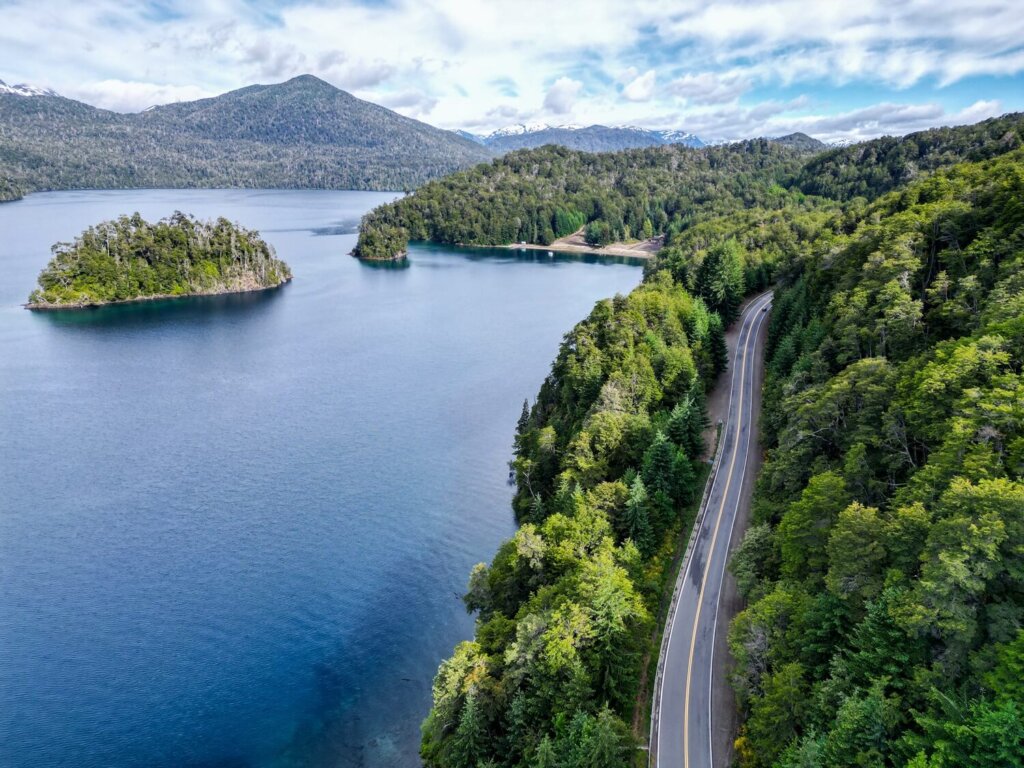
Quick answer
The Seven Lakes Route is free to drive: entry costs 0 ARS, because the road is a public national highway, Ruta Nacional 40, in Neuquén, Argentina. The corridor is open 00:00–23:59 every day, so timing is governed by daylight rather than by gates. Snow can close higher sections in the southern winter without notice.
Not all seven lakes announce themselves. Lago Escondido, true to its name, hides behind a curtain of coihue forest and is easy to pass without noticing. That single detail explains most of what goes wrong on the seven lakes route: drivers treat it as a transfer between two towns rather than a sequence of stops. The corridor links San Martín de los Andes with Villa La Angostura, crossing from Lanín National Park into Nahuel Huapi National Park along the way. Lácar, Machónico, Falkner, Villarino, Escondido, Correntoso and Espejo appear in that order heading south. Each sits at a different height, in a different pocket of the Andean-Patagonian forest, and each has its own signed turnoff. The name promises seven, though the map holds more water than that, since Lago Hermoso and Lago Meliquina lie down side roads the corridor only brushes. The drive was not always this simple. For decades the middle section was ripio, loose gravel that punished tyres and slowed convoys to a crawl, and the road was paved end to end only in the mid-2010s. Asphalt changed the arithmetic. What was once a full-day expedition became a stretch a determined driver can cover in a morning, which is precisely the trap. The Ruta de los Siete Lagos rewards the opposite instinct. Miradores are spaced along the shoulder at Pil Pil, above Lago Machónico, and at the Arroyo Partido, where a single stream divides and drains toward two oceans. Cascada Vullignanco falls beside the pavement a short walk from a marked pull-in. Lago Espejo Chico and Lago Villarino have picnic areas and beaches reached by short gravel spurs, and the arrayán woods near Villa La Angostura sit just off the southern end. Gaps between viewpoints are short; the time goes on walking, looking and waiting for the light to move off the water. Counting only the pavement misses the point of the Patagonian lake district drive entirely. Practical planning follows from geography rather than from a timetable. The road belongs to Ruta Nacional 40 and is never gated, so the constraint is daylight and season, not admission. Weather changes by valley here rather than by forecast. In the southern winter, August included, snow and ice reach the higher sections and the shoulders freeze after dark; the Patagonian summer of December to March brings long evenings and much heavier traffic. Fuel is the other fixed point. Stations sit at the two ends, in San Martín de los Andes and Villa La Angostura, and nowhere reliable in between, so tanks are filled before departure rather than en route. Mobile signal drops in the valleys. Cash remains useful at small roadside stalls selling smoked trout and homemade preserves. Travellers who would rather not drive can join a guided run of the seven lakes route, which absorbs the fuel stops, timing and gravel spurs while leaving the viewpoints intact. Either way, the sequence is worth reading before setting out, because the order of the lakes is also the order of the decisions.
“The order of the lakes is also the order of the decisions.”
This plan suits self-drivers covering the full 110 km of Ruta Nacional 40 between San Martín de los Andes and Villa La Angostura in one day, allowing roughly six hours door to door. Pure driving time is close to two hours; the rest is stops at each lake.
Fill the tank before leaving, as fuel is scarce until Villa La Angostura. Follow the shore of Lago Lácar and stop at Mirador Pil Pil, about 15 minutes out, for the first overview.
Continue roughly 35 km north, about 40 minutes of driving through the Chachín valley. The signed pull-off above Machónico is small, so park fully clear of the carriageway.
These two sit within 5 km of each other, around 20 minutes past Machónico. Allow 45 minutes for the beach at Falkner and the short walk to Cascada Vullignanco.
A 10-minute drive north, reached by a brief spur off the main road. It is the smallest of the seven and rarely holds more than a few cars.
About 40 minutes on, near the junction with the Villa Traful turn-off. Picnic areas here have tables and shade; there is no reliable restaurant service between the two towns.
Fifteen minutes further, with a 2 km gravel spur down to Espejo Chico. Budget 30 minutes if you want to reach the water rather than view it from the highway.
The last stretch runs 20 minutes along Nahuel Huapi. Drivers returning the same day should reverse the route with fewer stops, adding two hours.
The best arrival window for the Seven Lakes Route is 08:00–10:00, which avoids traffic and provides ample daylight for scenic viewpoints. Planning your visit by season is critical to ensure safe driving conditions across the mountain terrain.
Warm with highs near 22°C; long days. Expect heavy traffic on Ruta Nacional 40.
Mild, 10°C to 18°C; fall foliage peaks. Lower traffic makes for easier navigation.
Cold, below 5°C; frequent snow and ice. Driving conditions require caution and often tire chains.
Cool, 8°C to 16°C; snowmelt begins. Wildlife viewing improves as vegetation recovers.
Verdict: For the most stable road conditions and manageable crowds, visit during the shoulder months of April or October and arrive between 08:00 and 10:00.
The Seven Lakes Route is located along Ruta Nacional 40 in Neuquén, Argentina. The most practical approach for visitors is by car, allowing for flexible stops along the road.
Ruta Nacional 40, Neuquén
Departing from Villa La Angostura or San Martín de los Andes
Plan for an early departure between 08:00 and 10:00 to avoid traffic and secure time at scenic viewpoints. The road is paved and well-maintained, suitable for standard passenger vehicles throughout the year.
The Seven Lakes Route is a public national road, meaning it is accessible to travelers 24 hours a day, seven days a week.
The Seven Lakes Route features a series of glacial lakes and forests situated between Villa La Angostura and San Martín de los Andes. This route encompasses distinct bodies of water and viewpoints along Ruta Nacional 40.
This lake is recognized for its intense blue color and easy access from the road. It provides a clear view of the surrounding mountain peaks.
Stop at the roadside pull-off for unobstructed water photography.
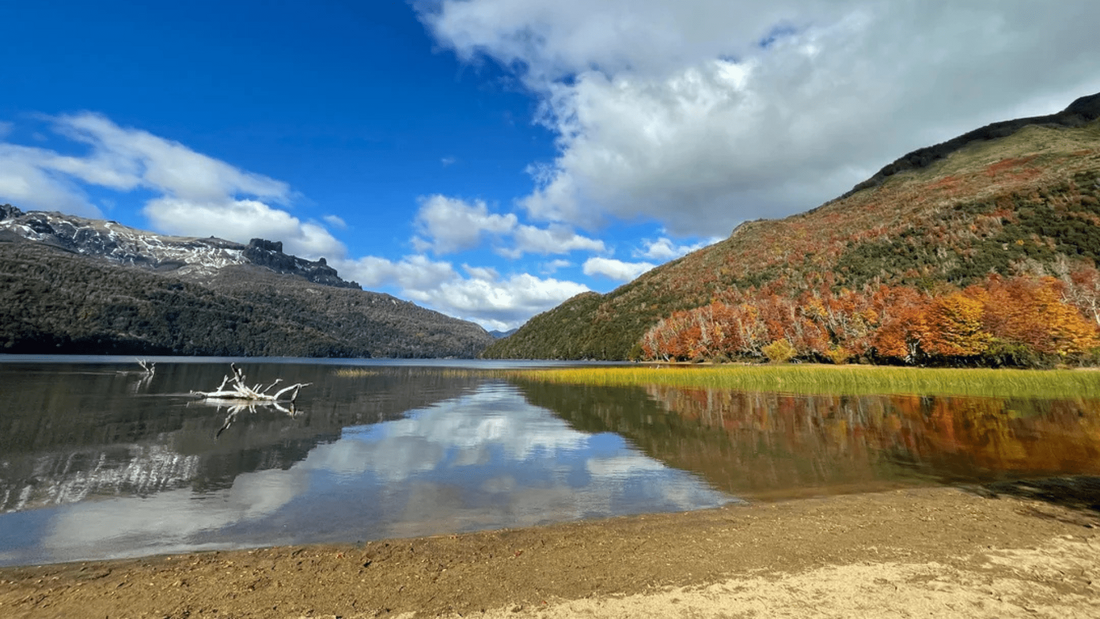
Located near the road, this lake features a sandy beach and a backdrop of steep, forested slopes. It is a common place for travelers to pause.
Look for the public beach area to view the shoreline.
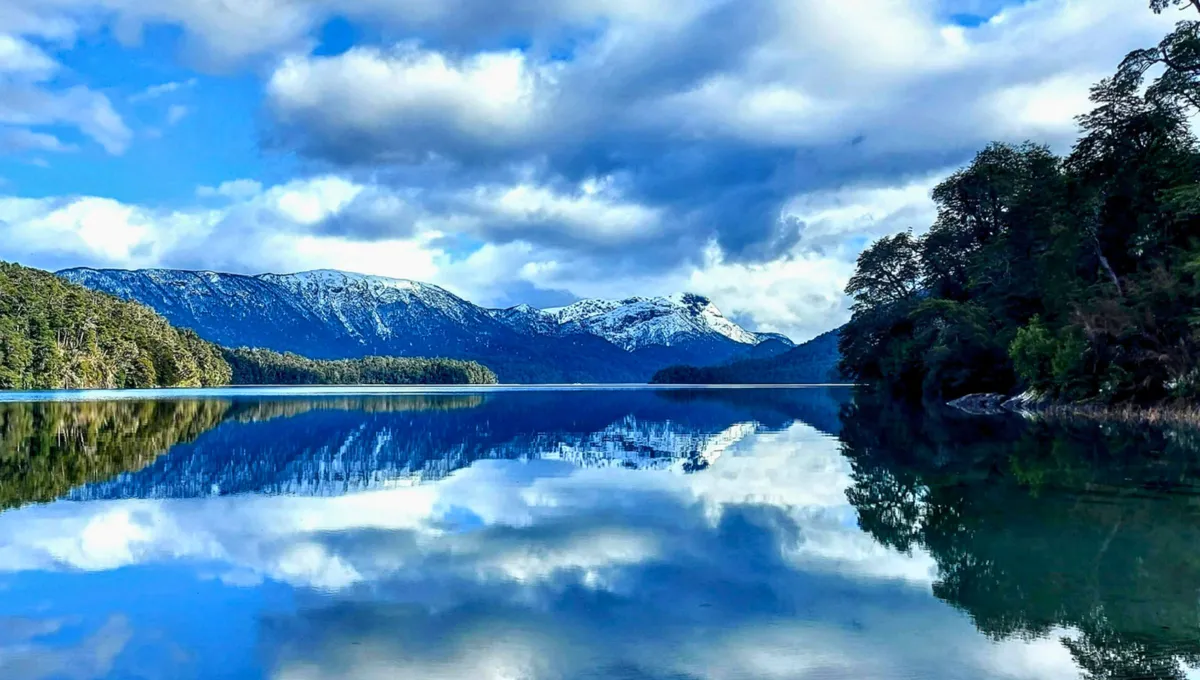
Named for its reflective surface, this lake is surrounded by lush Andean-Patagonian forest. The water remains calm on windless days.
Walk down to the beach to see the mirror-like reflection.
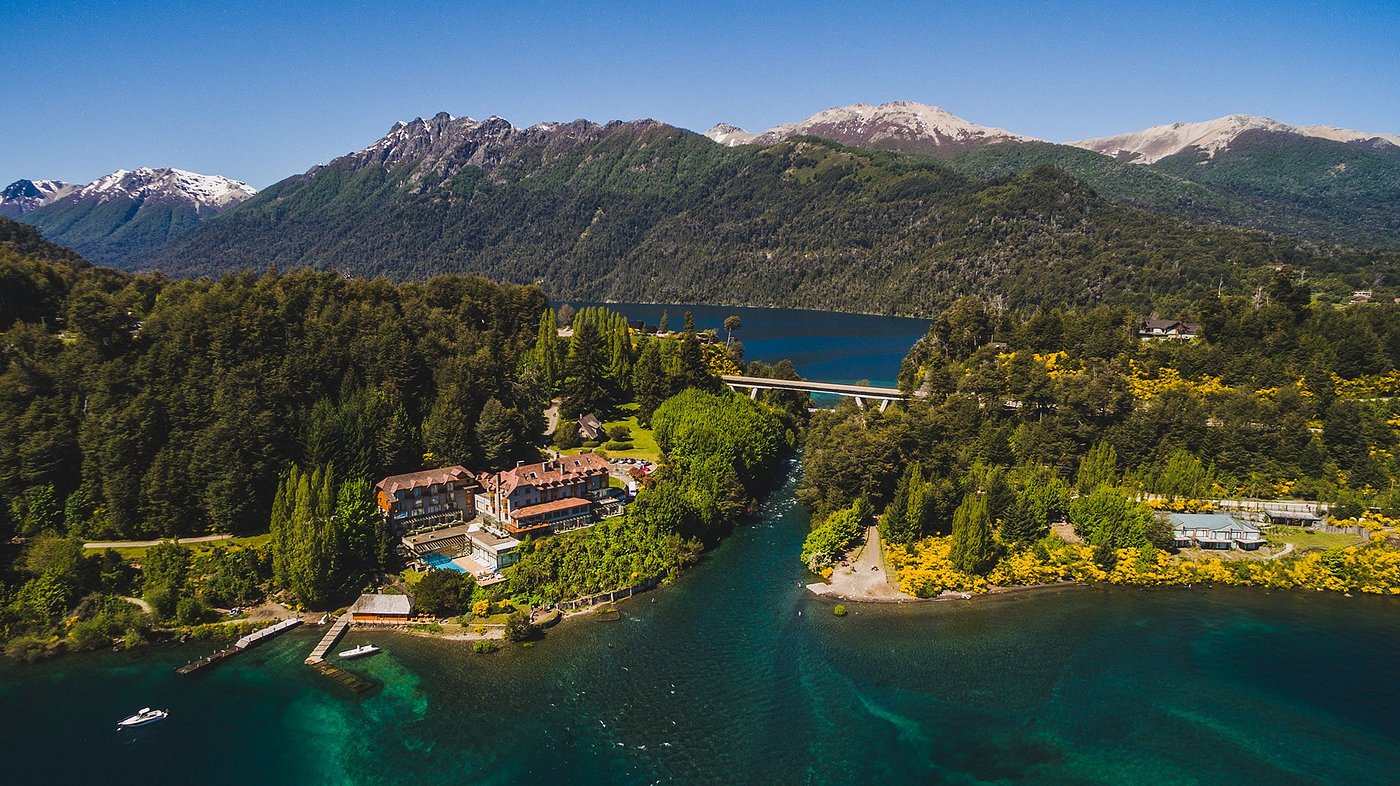
This lake is known for its size and its connection to other water bodies via the Correntoso River. The area provides various vantage points.
Use the bridge area to observe the river connection.
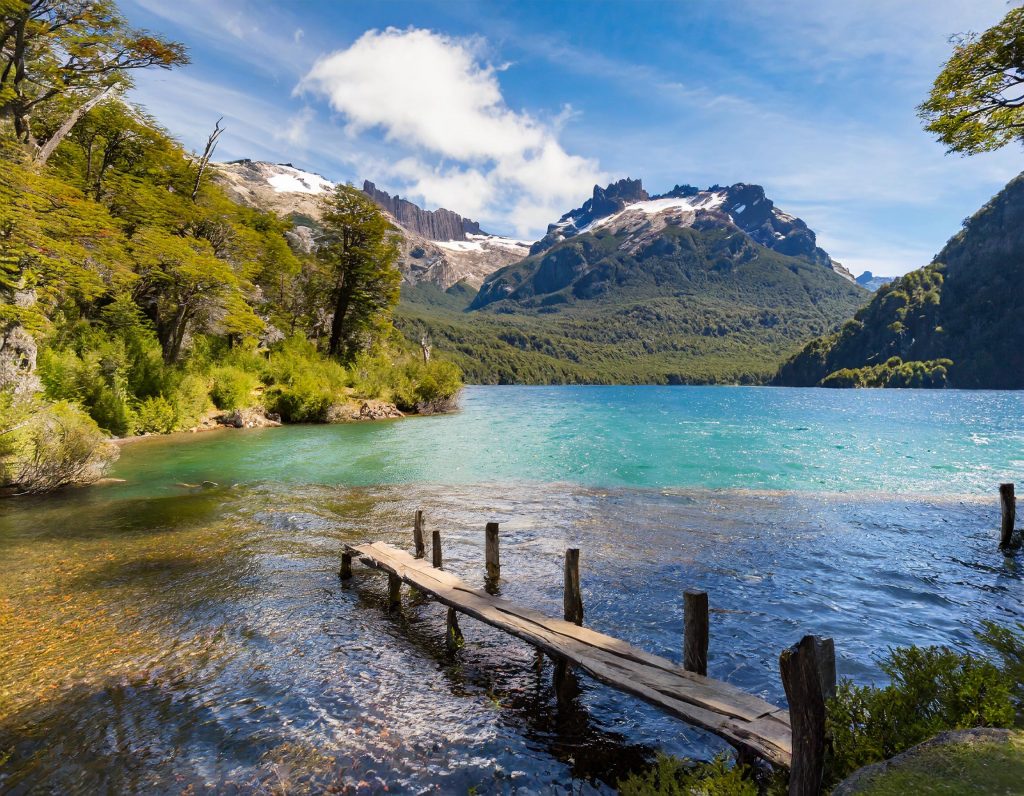
Situated adjacent to Lago Falkner, this lake is often quieter and surrounded by dense vegetation. It is frequented by those looking for a secluded stop.
Walk along the perimeter trail for a quiet perspective.
Everything you need to know about seven lakes route
The seven lakes route is a public national road, Ruta Nacional 40, which means there is no entrance fee required. It remains accessible to the public at all times without cost.
Road conditions on this scenic path are generally paved, though drivers should remain cautious of winding sections and potential weather changes. Navigating the seven lakes tour from Samarkand's conceptual counterparts requires checking local weather reports before departure.
As this is a public national highway, there are no official opening hours, and the road is available for travel from Monday through Sunday, 00:00 to 23:59.
To avoid heavy traffic and secure parking at popular viewpoints, the recommended arrival window is between 08:00 and 10:00. This early start allows sufficient time to enjoy each stop along the way.
Yes, this journey is suitable for families, provided you plan frequent stops to allow children to enjoy the forest surroundings and lake vistas. Always ensure you have enough snacks and water for the trip.
You should pack layers of clothing, a camera for the landscape, comfortable shoes for light hiking near the shore, and plenty of water. Checking your vehicle fuel levels is essential before beginning your drive through the Andean landscape.
No, there is no reservation or booking needed to access this public road. You can simply arrive and begin your journey at your own pace.